Sept 24, 2026 | Case study | 5 minute read

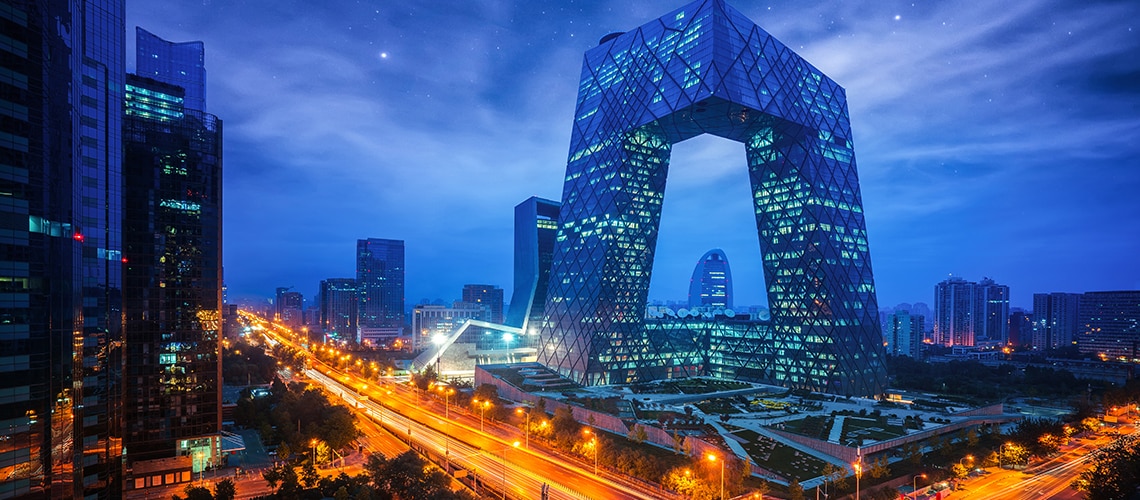
Learn how we make the world a better place as Team Dow. Through respect and integrity, we lead with our core values and innovative spirit to create more sustainable materials science solutions for everyone.

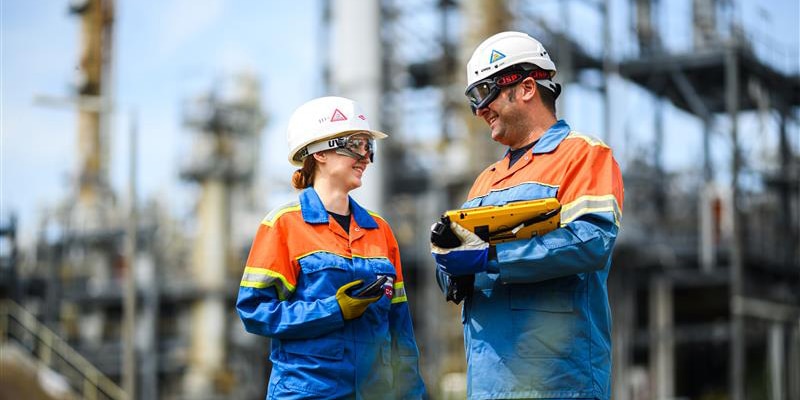
Discover how we’re accelerating positive change around the world. Dow is making a difference in the communities where we live and work.
Find the latest press releases, news updates, awards and achievements from Dow and stay connected on the impact we’re making in the world.

Explore key collaborations and why we make partnership our passion. Through initiatives and sponsorships, we can work together to create a more positive impact for all.
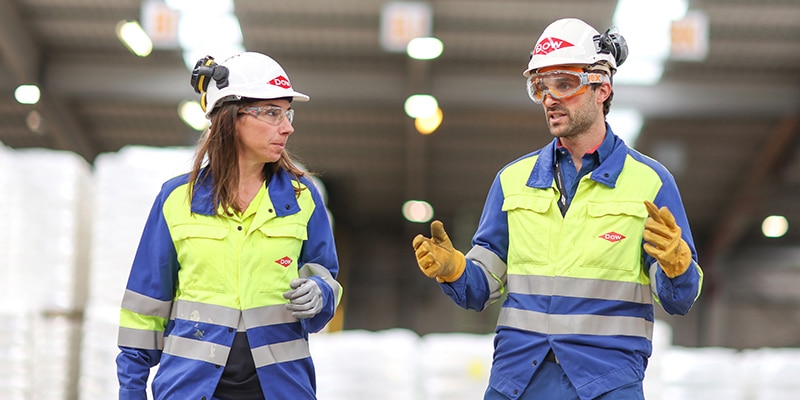
Team Dow makes us one of the most innovative, customer-centric, inclusive and sustainable materials science companies in the world. Find opportunities to join Dow in a capacity that works best for you.
Sept 24, 2026 | Case study | 5 minute read
The world is changing — fast. Cities are growing, expectations are rising, and the systems people rely on every day are under pressure to deliver more performance with a smaller footprint.
That is why high-performance infrastructure is not just about what we build; it is about how we build. Infrastructure is being asked to do more, from designing for durability, upgrading what already exists, and innovating to make resilience and efficiency part of the blueprint.
Explore how materials science helps turn real-world need into real-world progress across buildings, energy, connectivity and transportation.
More than half the world already lives in cities, and that number is expected to grow.
This poses some challenges. Buildings are responsible for about 39% of global energy-related carbon emissions1, with impacts spanning construction and day-to-day operations. To meet future needs, it is important to continue innovating high-performance building materials like roofing and sealants for the spaces where people work, learn, shop and live.
Looking ahead, it’s estimated that by 2040 two-thirds of buildings will be those already standing today2, making retrofits and efficiency upgrades essential.
As communities expand, infrastructure must deliver energy that is dependable to power homes, schools and hospitals all while supporting the shift toward lower-carbon systems.
Progress comes from multiple solutions working together, including renewable energy, supporting more reliable energy sources through materials that help systems run safer, longer and more efficiently.
From streaming and e-commerce to real-time communication, modern life runs on networks. The physical infrastructure behind them must perform under constant demand.
For high-performance computing, the stakes are rising to meet system cooling needs. Advanced processing generates far more heat than traditional servers, pushing the sector demand toward liquid cooling for improved energy efficiency.
Reliable infrastructure that moves people and goods is what keeps society moving forward. With growing cities comes growing demand for roadways and runways that stay safer, clearer and are more resilient through heavy use.
The next chapter of infrastructure will be shaped by practical outcomes. More resilience. More efficiency. More reliability. A lighter footprint over time.
Deep materials science expertise helps strengthen the resilience of the places we live, the energy we rely on, the networks that connect us, and the routes that keep us moving. It helps communities adapt and build toward a more sustainable future. In short, innovation helps infrastructure perform in the real world.
This case study was developed by a cross-discipline team representing sustainability, materials and market expertise across Dow. To learn more about the breadth of our innovative products and technologies made possible through science and collaboration, visit dow.com.