
May 05, 2026 | Andre Argenton | 6 minute read

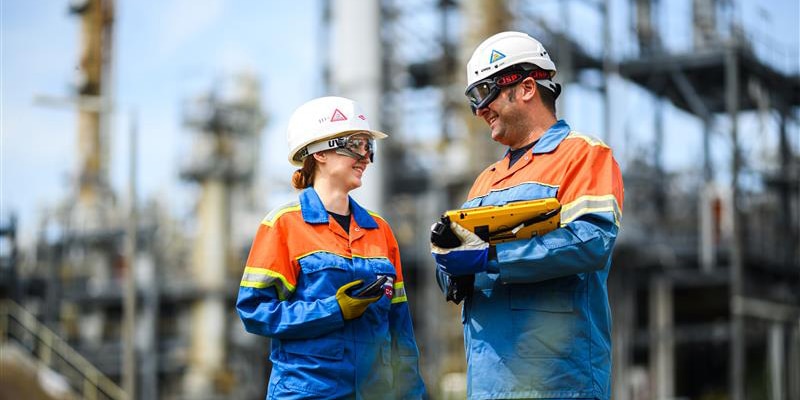
Learn how we make the world a better place as Team Dow. Through respect and integrity, we lead with our core values and innovative spirit to create more sustainable materials science solutions for everyone.

Discover how we’re accelerating positive change around the world. Dow is making a difference in the communities where we live and work.
Find the latest press releases, news updates, awards and achievements from Dow and stay connected on the impact we’re making in the world.
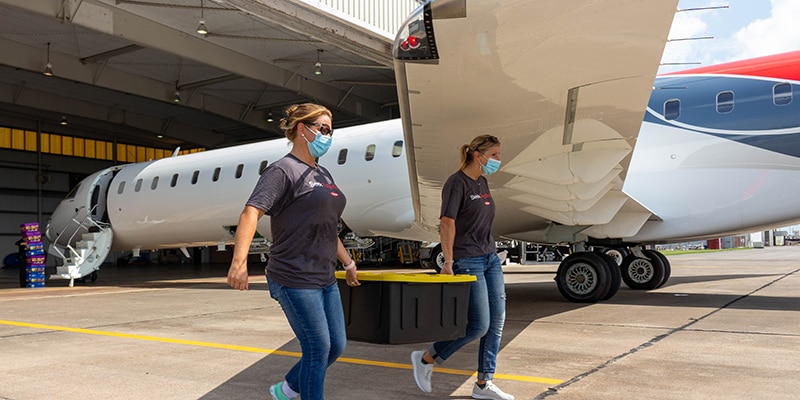
Explore key collaborations and why we make partnership our passion. Through initiatives and sponsorships, we can work together to create a more positive impact for all.
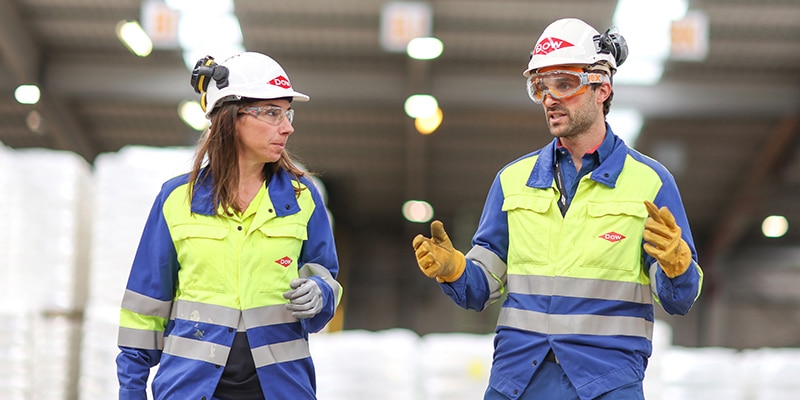
Team Dow makes us one of the most innovative, customer-centric, inclusive and sustainable materials science companies in the world. Find opportunities to join Dow in a capacity that works best for you.
May 05, 2026 | Andre Argenton | 6 minute read
Innovation is often described as a breakthrough. A new material. A novel technology. A moment of discovery.
But when you look closely at how meaningful innovation actually happens, the story is less about the moment and more about the work behind it. Progress doesn’t start with technology alone. It starts with people: their curiosity, their willingness to collaborate, and their commitment to solving real problems in the real world.
At Dow, that belief shapes how we innovate and how we work with our customers. It’s simple, but it’s foundational: progress is powered by people.
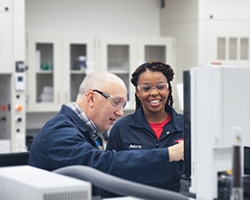 Dow is a materials science company. But materials science doesn’t move the world forward on its own. What makes the difference is the approach to innovation, how science is applied, and how teams work together to translate it into solutions customers can use at scale.
Across Dow, scientists, engineers, operators, and commercial teams bring different perspectives to address the real-world challenge. That collaboration helps teams balance performance, efficiency, and durability from the start. It also helps ensure innovations are designed with customer needs, regulatory requirements, responsible resource use, scalable commercialization, and long-term impact in mind.
When people are encouraged to share ideas, challenge assumptions, and work across boundaries, innovation becomes something you can repeat. Over time, that repeatability is what enables not only better performance, but more resilient and sustainable outcomes.
Some of the clearest examples of people powered progress can be seen across fast-growing industries shaping everyday life — from mobility and electronics to packaging and renewable energy. Each reflects a shared focus on real customer needs and real-world considerations. What connects these examples isn’t a single technology, but people working together to turn materials science into solutions that perform, last, and deliver value over time.
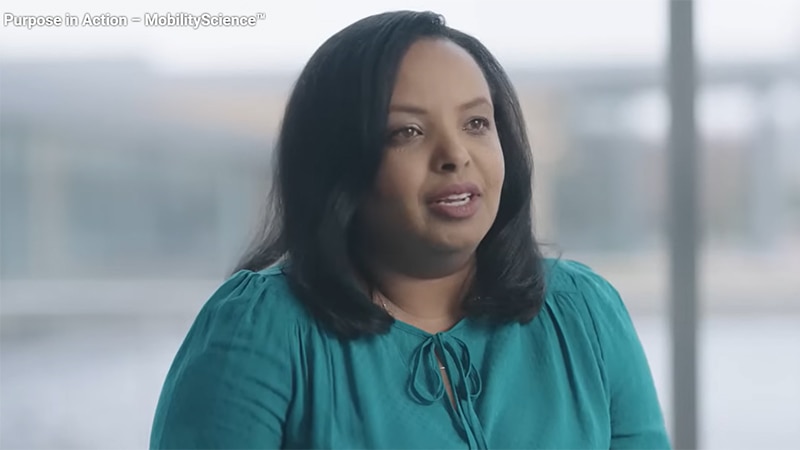
Mobility is changing quickly. Electrification, circularity goals, evolving safety expectations, and the constant demand for performance are all reshaping what customers need from materials. This sustainable mobility story highlights teams applying materials science to support these shifts, with solutions designed to perform across a vehicle’s lifecycle.
What makes this work move faster is the mix of perspectives. Researchers who understand the chemistry. Application experts who know what success looks like on the customer’s line. Manufacturing teams who scale reliably and safely. Commercial teams who connect customer needs to capabilities. When that network clicks, progress follows.
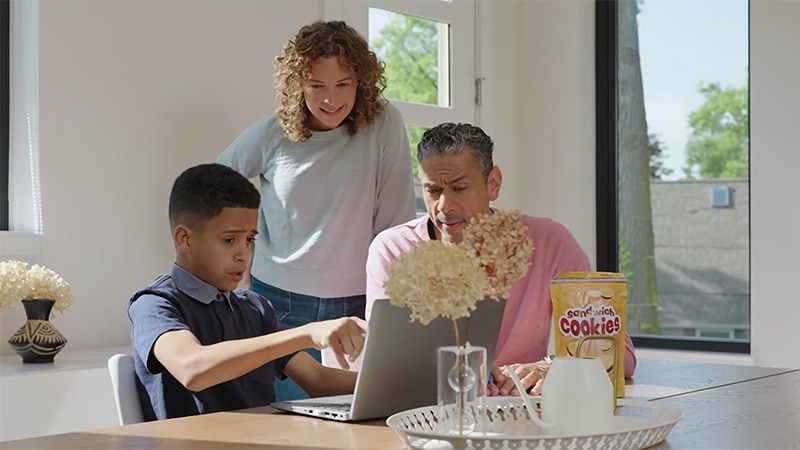
Electronics innovation can be invisible until you consider what it supports: connectivity, reliability, efficiency, and the data-driven systems people depend on every day. Our electronic solutions story highlights how innovative materials help meet demanding performance requirements in modern electronics applications.
And this is not work that happens in a straight line. It is iterative by nature, with feedback loops between design, testing, and manufacturing. Progress comes from teams working across disciplines, often in close collaboration with customers, so materials decisions match real operating conditions.
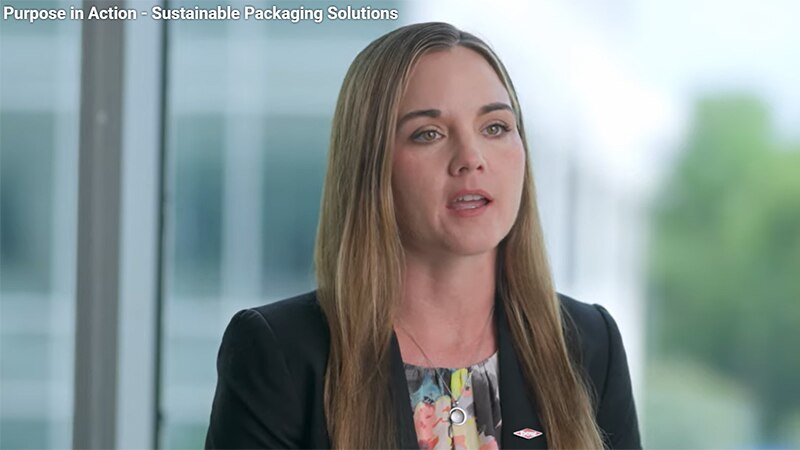
Packaging solutions and addressing waste is a systems challenge. It is not solved by one company alone, and it is not solved by one material alone. This story on circular packaging focuses on innovation that supports packaging recyclability, with solutions designed for real market conditions and performance expectations.
This is where collaboration becomes the differentiator. The best solutions come from combining value-chain insight with materials science expertise, then scaling what works so it fits into existing processes while helping enable new ones.
The energy shift demands solutions that are manufacturable at scale and dependable over time, often in tough environments. Our renewable energy story reflects how our teams work with customers to develop innovations that support renewable energy growth and deployment.
Progress here is not one big moment. It is hundreds of decisions made well: testing, qualification, optimization, and continuous improvement. People make it repeatable.
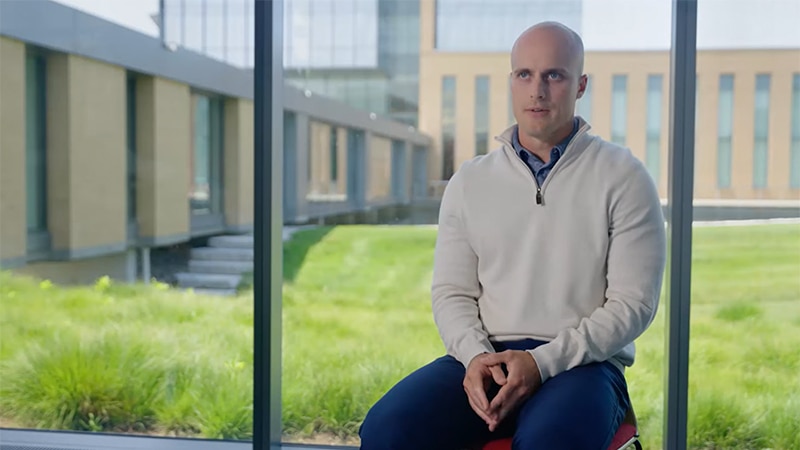
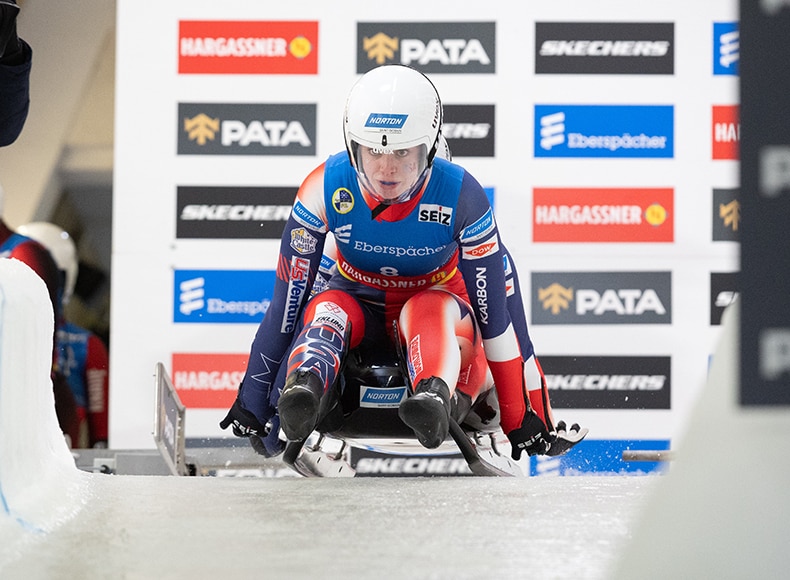 There’s a misconception that innovation depends on rare flashes of brilliance. In reality, the most meaningful innovation is built through consistent behaviors: listening carefully, learning quickly, and staying grounded in how solutions will be used in practice.
A recent story on “Team Dow” and Team USA Luge captures this well. It emphasizes a throughline that has shaped our company for more than a century. When teams are empowered to collaborate and learn from one another, innovation stops being accidental. It becomes part of how work gets done, and how progress compounds over time. That continuity matters.
 Awards are not the goal. Still, they can be a useful signal that the work is landing where it matters with our stakeholders, in the marketplace, in communities, and in everyday life.
Programs like the Edison Awards highlight innovation that delivers real-world value, and Dow’s inclusion on these award lists reflects the strength of our teams and their work.
This year, six Dow innovations earned recognition at the Edison Awards, bringing home one gold, three silver, and two bronze medals. It’s a proud milestone. Dow has now won Edison Awards thirteen years in a row, something no other company has done.
But what matters most to me isn’t the medal. It is what this recognition represents: teams applying deep expertise to solve real problems, enabling customer success, and delivering innovations with practical value.
Awards mark a moment. The impact of the work lasts much longer. For readers who want to explore more, I invite you to visit Dow’s Edison Awards page, which captures the recent recognition.
So what does it really mean for progress to be powered by people?
It means showing up curious and ready to learn.
It means listening to customers and understanding their needs.
It means working across disciplines, functions, and geographies.
It means designing solutions that perform today and hold up over time.
And it means earning trust by delivering consistently, even as challenges evolve.
When those habits come together with strong materials science capabilities, innovation becomes something customers can rely on. That’s how Dow helps enable success across industries, and how progress moves from idea to impact — powered by people.
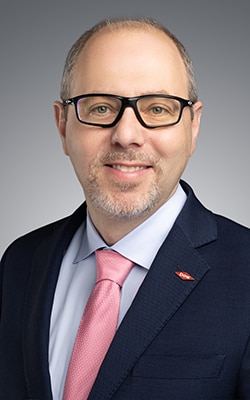
Andre Argenton serves as Dow’s Chief Technology and Sustainability Officer. He oversees the company's global Research & Development operations, as well as its Sustainability and Environmental Health & Safety initiatives.
Throughout his career, he has worked across the spectrum of chemistries and technologies at Dow — supporting a broad range of industries and covering all facets of innovation, from new product development to process research and customer-facing application development. Andre has served on several academic advisory boards for chemical engineering and chemistry, including the University of Michigan Department of Chemical Engineering, Liquid Sunlight Alliance, University of Michigan Erb Institute and the NYSE Sustainability Advisory Council.
He holds a Ph.D. in physical chemistry from the University of São Paulo in Brazil.