June 24, 2026 | Case study | 7 minute read


Learn how we make the world a better place as Team Dow. Through respect and integrity, we lead with our core values and innovative spirit to create more sustainable materials science solutions for everyone.

Discover how we’re accelerating positive change around the world. Dow is making a difference in the communities where we live and work.
Find the latest press releases, news updates, awards and achievements from Dow and stay connected on the impact we’re making in the world.
Explore key collaborations and why we make partnership our passion. Through initiatives and sponsorships, we can work together to create a more positive impact for all.
Team Dow makes us one of the most innovative, customer-centric, inclusive and sustainable materials science companies in the world. Find opportunities to join Dow in a capacity that works best for you.
June 24, 2026 | Case study | 7 minute read
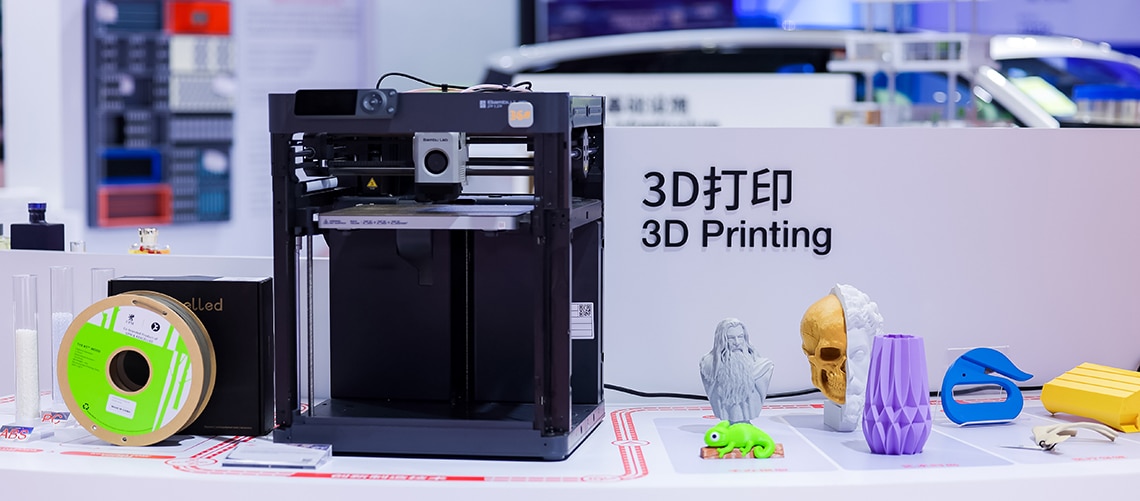
For many, desktop 3D printing is more than a hobby. It’s how they fix a broken part, prototype an idea, build a tool, or create something custom that doesn’t exist on a store shelf. The promise is empowering: imagine it, design it, build it.
But anyone who has spent time around desktop 3D printers knows the frustration when that promise breaks down — sometimes literally.
This case study shows how we collaborated with our filament brand customers in the 3D printing ecosystem to improve material performance so makers can spend less time troubleshooting and more time building.
One of the most common materials used in desktop 3D printing is PLA. This material is popular because it prints easily, and it is a compostable material in industrial settings. PLA offers low warpage, sharp detail, minimal odor during printing, and relatively low processing temperatures, all qualities that make it a go to material for desktop 3D printing. The challenge is that these benefits can be overshadowed when parts break easily or performance degrades. Over time, PLA can become brittle, and exposure to moisture can accelerate performance loss, especially after storage and shipping.
Polylactic acid (PLA), a biobased plastic widely used as filament (the spool-fed 3D printing material).
Fused Deposition Modeling (FDM) describes a common desktop printing method that melts and lays down filament layer-by-layer.
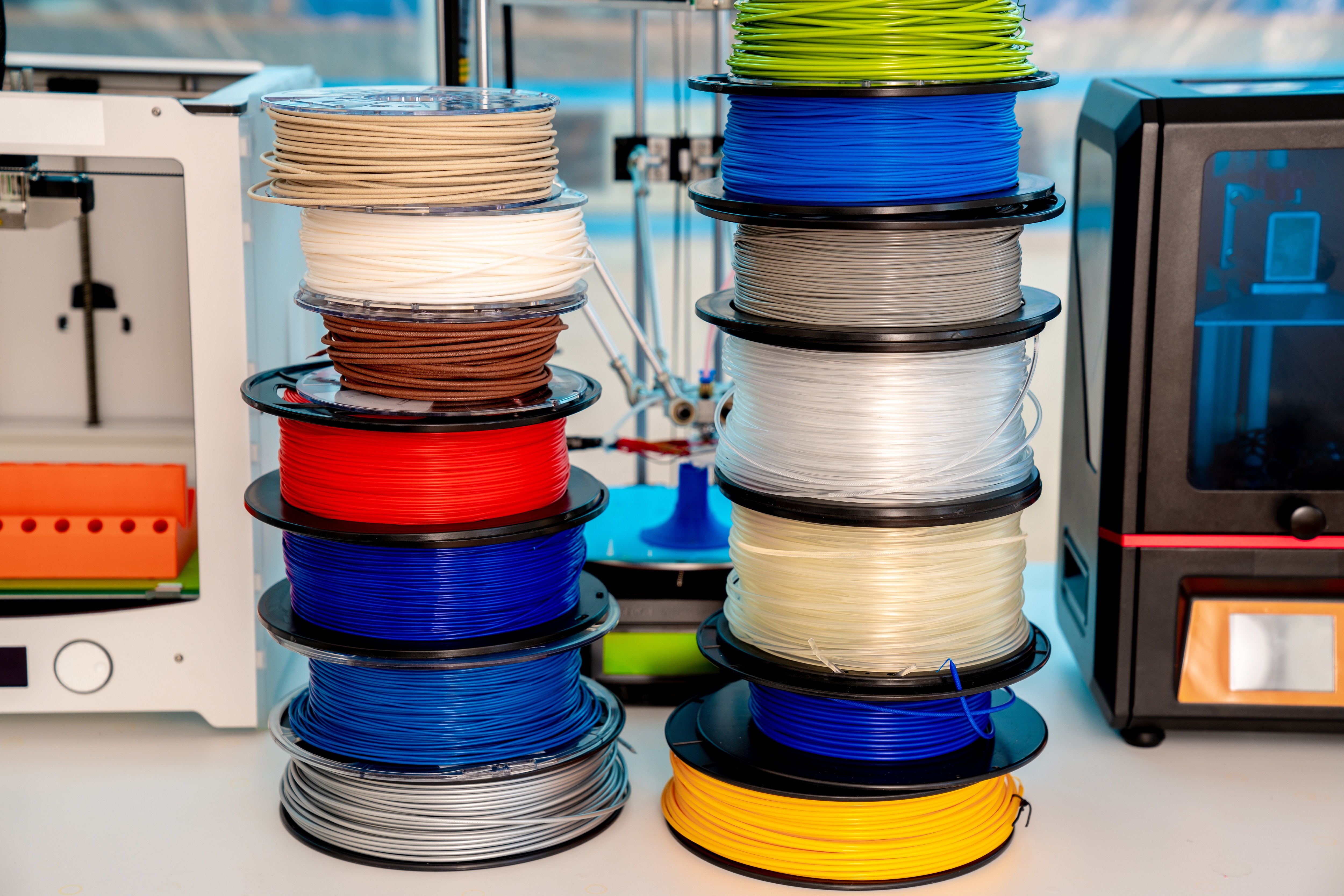 We saw what our customers were seeing: a growing industry with high expectations, where 3D printing filament reliability matters as much as print quality. At the same time, customers faced a broader business challenge. In China, the desktop 3D printing industry, particularly the filament based FDM segment, was still in an early and uncertain stage. To drive wider adoption of PLA based materials, customers needed stronger impact performance to address emerging application demands. Many were also looking for a trusted innovation partner who could offer not only technical experience, but market insight to help them scale with confidence.
And so we brought to this challenge what we do best, materials science and a culture built around disciplined problem-solving to help convert industry demand into a practical, scalable solution.
In the desktop 3D printing world, performance isn’t abstract. It is personal and can be frustrating
A filament that turns brittle can lead to snapped filaments during feeding, inconsistent prints from spool to spool, and failed jobs after a spool sits in storage or ships through humid environments. We worked with customers to address two linked pain points: brittleness and poor hydrolysis resistance. Hydrolysis is a moisture-driven chemical process that can weaken certain plastics over time.
By applying our impact modification experience to PLA filament formulations, customers were able to offer PLA filaments with meaningfully improved toughness:
In practical terms: More spools that perform consistently, more prints that finish successfully, and more confidence for end users who rely on desktop printing to design, build, and solve problems at home, in classrooms, and in workshops.
The benefit is not only technical — it is strategic. In a crowded industry where basic PLA can become a commodity, improved durability and storage stability help customers differentiate.
Core shell rubber (CSR) is a class of impact modifiers made of rubber particles encapsulated by a rigid polymer shell, designed to improve the toughness and durability of plastics like PLA without sacrificing processability or surface quality.
Collaboration with Dow helped enabled our customers to move away from pure price competition and position themselves as technology-driven suppliers with higher reliability standards. With tailored, high performance PLA solutions enabled by advanced core-shell rubber modifiers, customers strengthen their competitive position through offering materials that perform reliably in real world conditions and stand out in a rapidly expanding industry.
Our approach started with a straightforward question: What is the user trying to do, and what keeps going wrong? That mindset, anchored in real customer considerations, is central to how we show up as a trusted and agile collaborator.
Filament brands told a consistent story. PLA looked great when it was fresh, but over time, especially with exposure to moisture, performance could drop. Some customers had tested alternatives such as PBS and PBAT, but those options didn’t solve the problem cleanly:
Polybutylene succinate (PBS) and Polybutylene adipate-co-terephthalate (PBAT) are types of biodegradable thermoplastics.
So we did what practical innovation requires. We tested options through the lens of what filament customers needed most — durability without sacrificing the printability and the appearance makers expect.
We screened existing products and selected grades suited for PLA filament applications, especially those that performed well on hydrolysis resistance and supported customer needs like colormatching.
An impact modifier is an additive that helps a plastic resist cracking and breaking under stress, essentially improving toughness.
The solution incorporated PARALOID™ Impact Modifiers by Dow. Beyond improving toughness, these additives also help extend PLA filament shelf life by maintaining performance after hydrolytic aging. They offered flexibility in visual appearance as well, supporting finishes from low gloss to high gloss and enabling wide color matching options. These are important factors for consumer facing applications.
Explore these impact modifiers for 3D printing applications:
Rather than relying on broad claims, Dow aligned with customers on measurable outcomes.
Using a structured scientific approach, the team:
Placing a priority on clear, measurable results helps ensure that solutions are backed by concrete evidence and are tailored to address real customer needs.
In the desktop 3D printing industry, innovation moves through an ecosystem: Resin suppliers, distributors, filament brands, and the communities that buy and use the material. We engaged with customers through multiple pathways, some through a PLA supplier partner or distributors, others through technical promotion and industry visibility.
The result wasn’t a one-off formulation tweak. The work helped deepen longer-term collaboration with filament producers and ecosystem players. This is the “how” behind real-world progress: not only inventing, but translating innovation into solutions customers can scale consistently, reliably, and with the discipline required for growth markets.
This isn’t a niche corner of innovation. The background material underscores how large and fast-moving this segment is:
Those signals matter because this collaborative innovation wasn’t just technically possible — it was commercially relevant, quickly adopted, and executed in a way that supports long-term customer success. Through long-term collaboration with stakeholders, our team helped customers scale faster and support the global rollout of their manufacturing capabilities. This work contributed to China’s emergence as a leading producer within the PLA 3D printing ecosystem, moving the industry from experimentation to industrial relevance.
Desktop 3D printing puts capability into more hands: Students learning design, small businesses prototyping, makers repairing parts instead of replacing them, and communities creating what they need when supply chains can’t move fast enough.
Improving PLA filament toughness and resistance to moisture-related aging creates shared value across that full chain:
Real-world progress is not only measured in breakthroughs. Sometimes it is measured in the quiet moments when technology simply works the way people need it to — when materials do what they are designed to do.
By helping customers improve the toughness and storage stability of PLA filament, we are doing what we are known for: Turning demand in high-growth segments into practical solutions that are delivered with the consistent, focused innovation that enables our customers to win.
Discover how PARALOID™ Impact Modifiers can help you improve PLA toughness and impact resistance while maintaining printability.
This case study was developed by a cross-discipline team representing global market experience. To learn more about Dow’s high-performance solutions, visit Dow.com.