

Learn how we make the world a better place as Team Dow. Through respect and integrity, we lead with our core values and innovative spirit to create more sustainable materials science solutions for everyone.

Discover how we’re accelerating positive change around the world. From climate protection and creating safer materials to our focus on global citizenship and inclusion, diversity and equity, Team Dow is making a difference in the communities where we live and work.
Find the latest press releases, news updates, awards and achievements from Dow and stay connected on the impact we’re making in the world.
Explore key collaborations and why we make partnership our passion. Through initiatives and sponsorships, we can work together to create a more positive impact for all.
Team Dow makes us one of the most innovative, customer-centric, inclusive and sustainable materials science companies in the world. Find opportunities to join Dow in a capacity that works best for you.
Sustainable land management principles
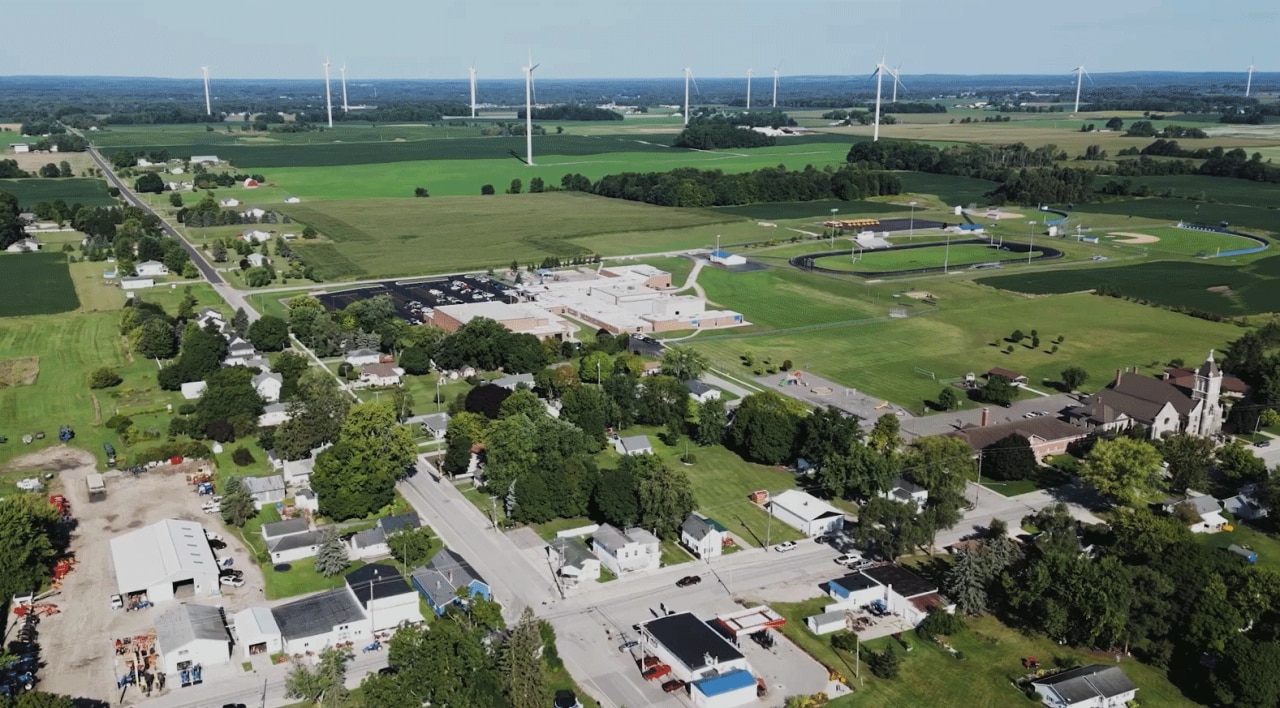
Dow’s approach to sustainable land management combines technologies, policies and activities aimed at integrating socioeconomic principles with environmental concerns across the five pillars of sustainable land management1,2:
- Productivity: maintain or enhance production/services
- Security: reduce the level of production risk
- Protection: protect the quality/potential of natural resources and prevent soil and water degradation
- Viability: is the solution economically viable
- Acceptability: is the solution socially acceptable
Each of Dow’s Nature targets depend on a robust enterprise land management strategy that is grounded in sustainability, enables business growth, and preserves business continuity.
Principles
Net Nature Positive: Dow will balance any operational impact on the environment with intentional actions to improve it.
- Our commitment to a net nature-positive business is in line with our values of Integrity, Respect for People, and Protecting our Planet.
- The protection of human rights is a key consideration as Dow strategically manages its land assets globally. The decisions we make about land use will in all cases adhere to Dow’s public human rights policy.
Strategic Actions to Deliver Net Nature Positive Results
- Protecting and Restoring Biodiversity: We will implement initiatives to protect rare, threatened or endangered species, restore degraded ecosystems and safeguard critical habitats.
- Sustainable Land Management: We will utilize our land resources strategically and sustainably, ensuring a positive contribution to important forest and wetland ecosystems. We will preserve high-value conservation areas and promote sustainable land-use practices.
- Community Engagement: We will collaborate with communities to drive conservation and land-management practices that respect indigenous rights and knowledge.
- Transparent Reporting: We will regularly report on our impact and progress towards our commitment to net nature-positive business.
- Continuous Improvement: We will partner with our suppliers, customers and stakeholders to advance nature-positive approaches throughout our value chain.
Sustainable Land Management: We recognize that future business success is dependent on a productive, resilient natural environment. Sustainable and strategic management of land resources is fundamental to Dow’s long-standing commitment to environmental stewardship.
Dow will positively impact nature through our commitments:
- Zero Net Deforestation: We will avoid clearing forested areas for industrial purposes. We will balance any necessary land-use changes with restoration or reforestation in proximal areas.
- Zero Net Conversion: We will endeavor to prevent permanent degradation of natural ecosystems where possible. We will balance any necessary land-use changes with intentional restoration, protection or acquisition in proximal areas.
- Zero Net Wetland Loss: We will prioritize protection of wetlands in our land stewardship strategy, preventing impact and minimizing disturbance where possible. We will balance any necessary impact with wetland creation or restoration in proximal areas.
- Protection of High Conservation Value Areas: We will safeguard areas with significant biodiversity, ecosystem services or cultural importance, including high carbon value forests and other ecologically complex areas. We will actively monitor our land portfolio for opportunities to enhance existing land to create high conservation value areas.
- Sustainable Sourcing: We will source from suppliers who adhere to our Supplier Code of Conduct, which requires that their operations do not contribute to deforestation. We will prioritize certified sustainable raw materials and work with suppliers to improve their practices.
Positioning for Future Value Creation
- Biodiversity Credit Position: As of 2025, neither the criteria nor the markets for high-quality biodiversity credits are sufficiently developed to provide an acceptable offset vehicle. As the infrastructure and governance of these credit structures mature, high quality biodiversity credits may become a meaningful part of Dow’s land use management strategy. In the meantime, Dow is evaluating the use of nature-based carbon credits as part of our Decarbonize and Grow strategy.
Learn more about some terms and phrases used on this page
Sources
- Smyth, A. J., Dumanski, J., Spendjian, G., Swift, M. J., & Thornton, P. K. (1993). FESLM: An international framework for evaluating sustainable land management (Vol. 73). Rome, Italy: FAO.
- Smyth, A. & Dumanski, Julian. (1995). A framework for evaluating sustainable land management. Canadian Journal of Soil Science. 75. 401-406. 10.4141/cjss95-059.